The quality of a marina's infrastructure does not depend solely on its design or on the materials used in its construction. The safety, functionality and service life of the facilities are directly related to the existence of a planned maintenance programme that makes it possible to anticipate incidents, optimise resources and guarantee the continuity of operations.
Marinas are especially demanding environments from a conservation standpoint. Permanent exposure to the marine environment, the action of salinity, solar radiation, changes in water level and the continuous use of the facilities generate wear processes that affect both the floating structures and the port equipment.
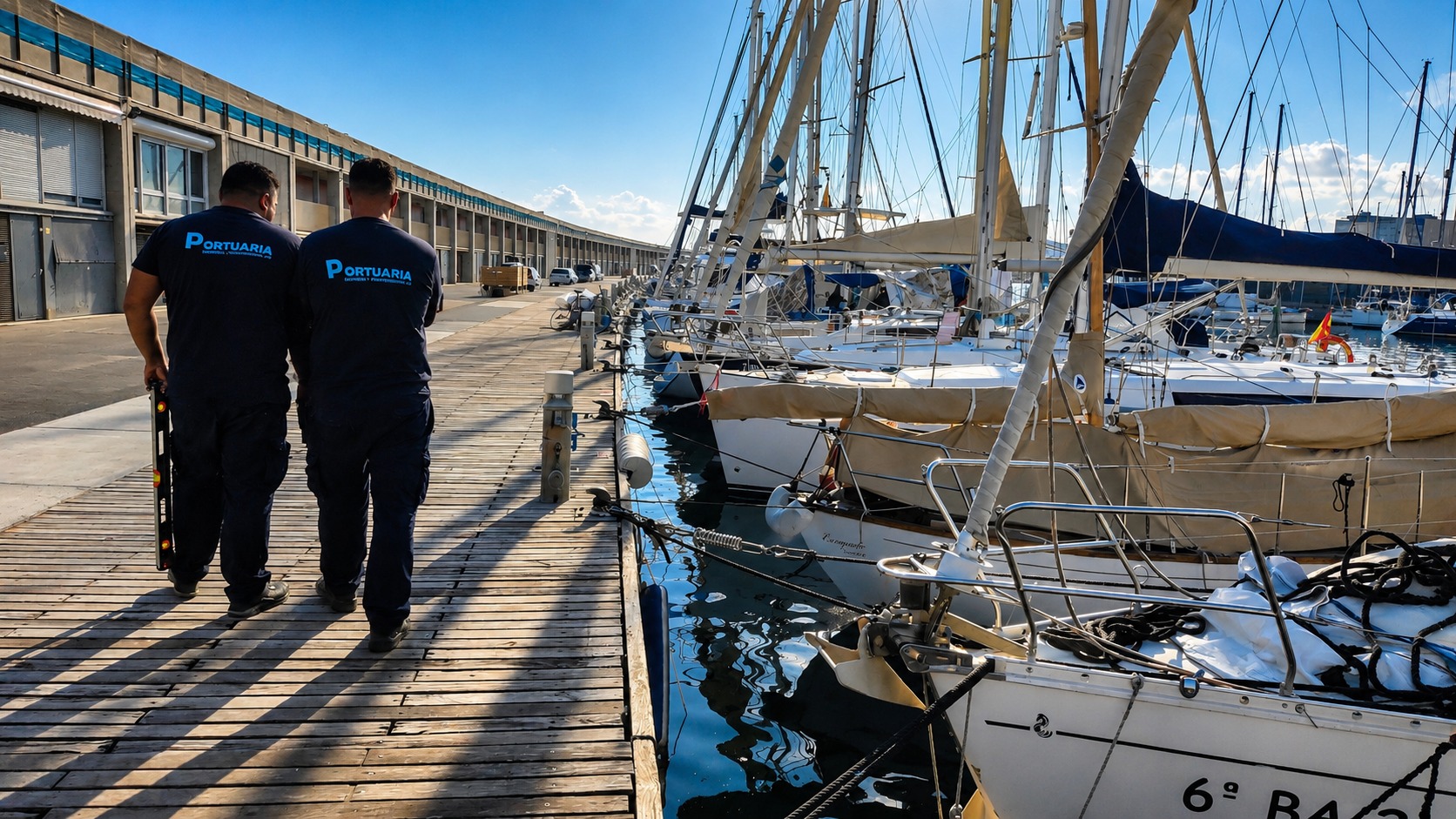
An effective maintenance plan must begin with a detailed knowledge of all the assets that make up the facility. Pontoons, fingers, access walkways, bollards, fenders, emergency ladders, mooring systems, service networks, lighting, lifting equipment and safety elements require periodic inspections tailored to their characteristics and service conditions.
One of the most important aspects is the implementation of a preventive maintenance programme. Unlike corrective maintenance, which acts once a failure has occurred, preventive maintenance makes it possible to detect anomalies before they affect the facility's operability. This strategy helps to reduce costs, minimise service interruptions and extend the service life of the equipment.
The floating structures must be given special attention. The periodic review of mooring systems, structural joints, fixing elements and components subject to dynamic loads is fundamental to guarantee the stability and safety of the pontoons. Likewise, the access walkways must be inspected regularly to check the condition of surfaces, articulation systems, railings and protection elements.
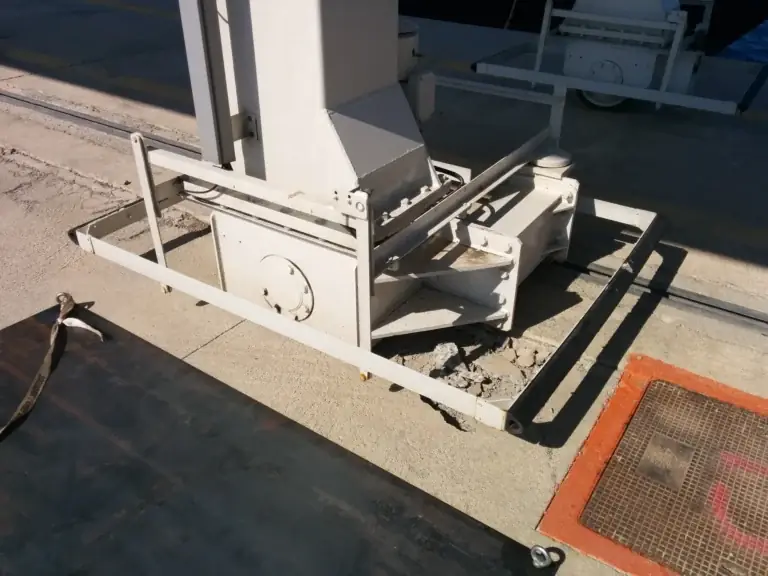
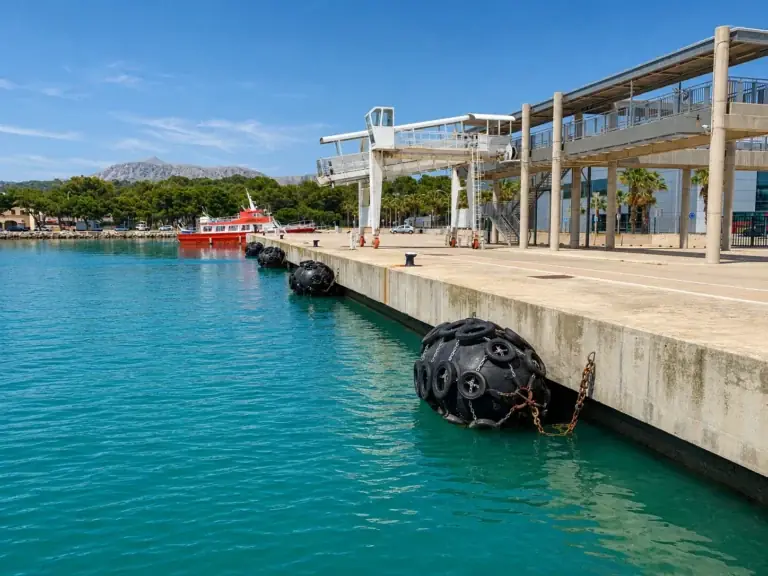
The port equipment also requires specific checks. Bollards and fenders must be inspected to detect deformation, wear or damage arising from berthing manoeuvres. Emergency ladders, for their part, must always be kept accessible and in perfect working order, as they form part of the facility's essential safety systems.
The water, electricity and telecommunications supply networks are another important chapter within port maintenance. The periodic review of electrical panels, service pedestals, ducting and protection systems helps to reduce breakdowns and guarantee the safety of users and vessels.
In modern marinas, maintenance management increasingly relies on digital tools that make it easier to plan inspections, track incidents and keep documentary control of the work carried out. These solutions make it possible to optimise resources and to have up-to-date information on the condition of each asset in the facility.
It is also advisable to establish extraordinary inspection protocols following storms, severe weather events or exceptional situations that could affect the integrity of the infrastructure. Early detection of damage prevents bigger problems and makes it possible to plan repair work more efficiently.
Beyond preserving the assets, an appropriate maintenance plan contributes directly to improving the user experience, reinforcing the facility's image and increasing the return on the investments made. Well-maintained infrastructure conveys confidence, improves operational safety and significantly reduces the costs associated with emergency repairs.
In short, maintenance should be understood as a strategic tool within the management of any marina. Appropriate planning of inspections, reviews and preventive action makes it possible to guarantee safety, preserve the value of the infrastructure and ensure efficient, sustainable operation over the long term.