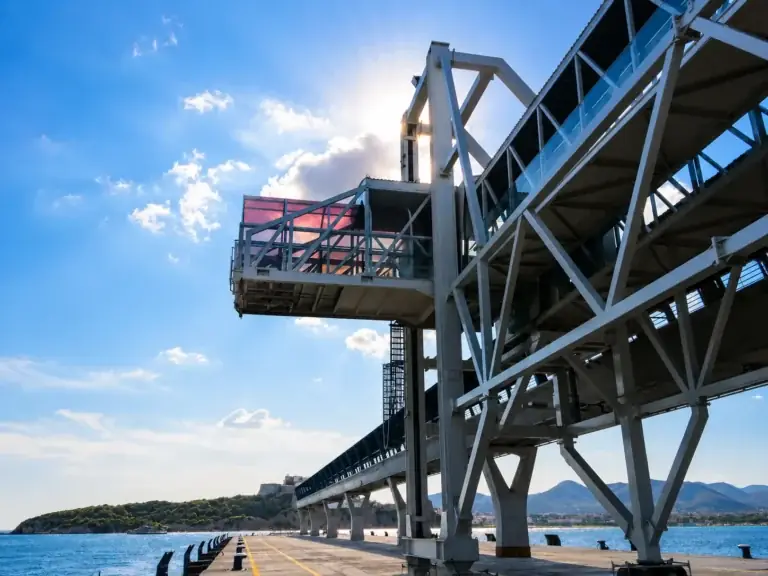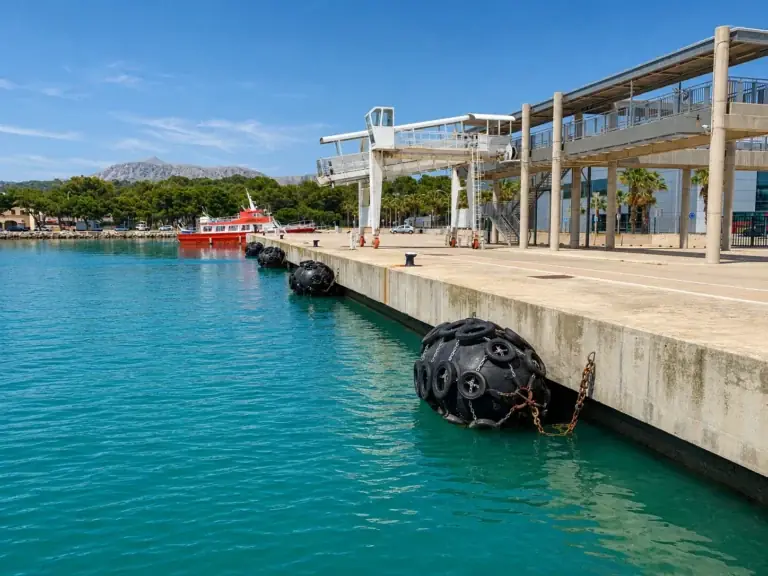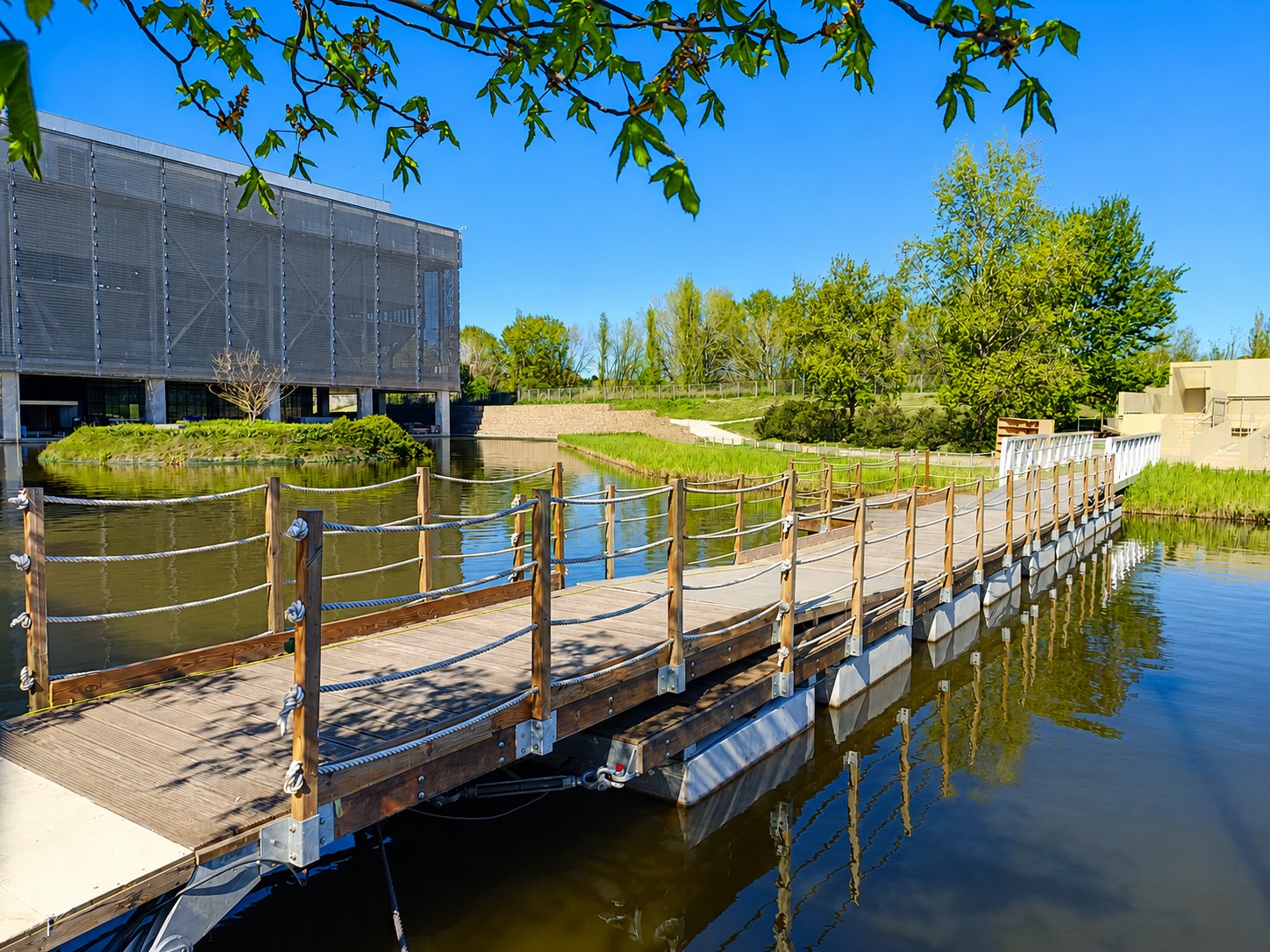
Cities with seafronts, navigable rivers, canals or lakes are rediscovering the value of their aquatic spaces as an active part of urban mobility, tourism and the regeneration of public space. In this context, floating urban jetties have become an increasingly used solution for facilitating access to the water through flexible, accessible infrastructure that adapts to the changing conditions of the environment.
Unlike traditional jetties built on fixed structures, floating jetties maintain a constant level relative to the water, allowing more comfortable, safer access for users regardless of the variations caused by tides, floods or seasonal fluctuations. This characteristic is especially important in urban environments where accessibility and the user experience are priority aspects.
Their use covers a wide variety of applications. They are common at urban maritime transport stations, water taxi services, tourist vessels, marinas integrated into the city, recreational areas and seafront regeneration projects. In addition, their adaptability makes them an ideal solution for projects where technical or environmental limitations make the construction of permanent infrastructure difficult.
From an engineering standpoint, the design of a floating urban jetty requires a careful analysis of the site conditions. Factors such as tidal range, currents, the waves generated by maritime traffic, the available depth and the geotechnical characteristics of the bed directly influence the choice of flotation and mooring system.
Accessibility is one of the most important elements of this type of infrastructure. Jetties must guarantee comfortable, safe access for all types of users, including people with reduced mobility, cyclists, families with pushchairs and public transport users. To achieve this, it is common to incorporate articulated walkways, anti-slip surfaces, side-protection systems and solutions that make pedestrian movement easier under any use condition.
Another relevant aspect is urban integration. Today's jetties are not conceived solely as functional infrastructure, but as elements that form part of the city's landscape. The architectural design, the materials used, the lighting and the urban furniture play an important role in creating attractive spaces that are coherent with their surroundings.
Sustainability is also gaining growing importance in this type of project. The use of modular structures, recyclable materials and low-impact construction systems significantly reduces the environmental footprint of the works. In addition, being floating infrastructure, they usually require less intervention in the aquatic environment compared with conventional solutions.
From an operational point of view, floating jetties offer important advantages in terms of maintenance and adaptability. Their modular nature makes future expansions, configuration changes or even complete relocations easier, depending on the evolution of urban needs. This flexibility is especially valuable in cities committed to more dynamic, sustainable mobility models.
The growing incorporation of maritime and river transport into urban mobility strategies is driving the development of new generations of jetties capable of integrating technology, accessibility and design into a single piece of infrastructure. These solutions help to improve the connectivity of cities and to reinforce the historical link between urban spaces and the water.
In short, floating urban jetties represent a modern, efficient and sustainable alternative for facilitating access to the aquatic environment. Their ability to adapt to the changing conditions of their surroundings, improve the user experience and encourage integration between city and water makes them a key part of urban transformation projects linked to maritime and river spaces.