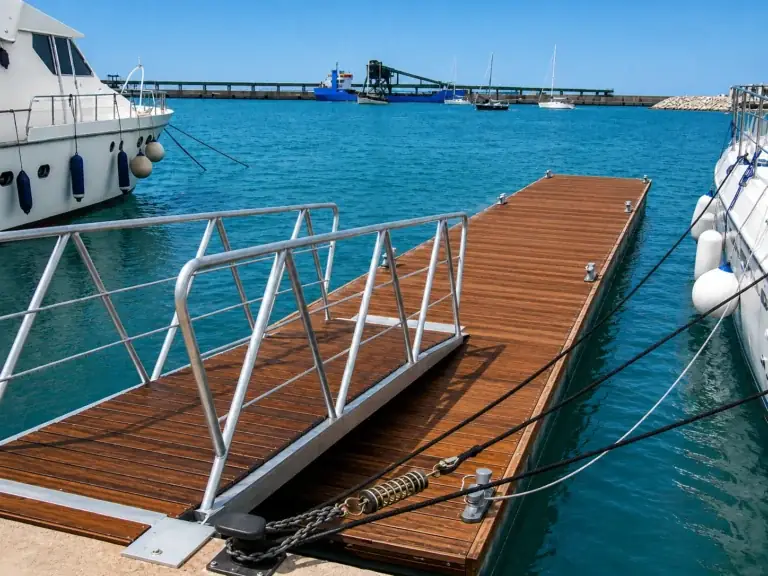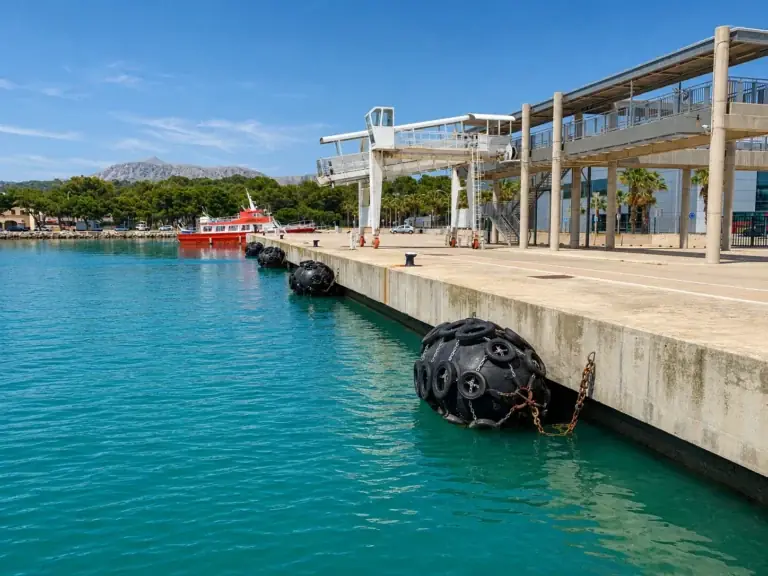
The choice of materials is one of the key aspects in the design and manufacture of port infrastructure. Gangways, pontoons, fingers, auxiliary structures and other marine equipment operate in a particularly demanding environment, characterised by humidity, salinity, exposure to atmospheric conditions and, in many cases, frequent and intensive use.
Among the most commonly used materials for these applications are aluminium and steel, each with specific properties that make them more suitable depending on the characteristics of each project.
For this reason, it is not a question of determining which material is generally better, but rather of selecting the most appropriate solution according to loads, environmental conditions, intended use, maintenance requirements and the economic considerations of the installation.
Aluminium: Lightweight and Good Corrosion Resistance
Marine-grade aluminium has good corrosion resistance as one of its main characteristics. The material naturally develops a surface oxide layer that acts as a protective barrier, making it particularly suitable for components installed near water and continuously exposed to humid and saline environments.
Another of its most notable properties is its low weight compared with steel. This lightness facilitates the transport, handling and installation of structures and helps reduce the loads transferred to other components of the installation.
These characteristics make aluminium a particularly interesting alternative for certain marine components and structures where low weight and corrosion resistance play an important role.
However, other factors must also be considered when selecting this material. Its load-bearing capacity may be more limited for certain structural requirements, and its cost is generally higher than that of steel, meaning that it is not always the most suitable solution.
Steel: Strength for Structures Subject to Intensive Use
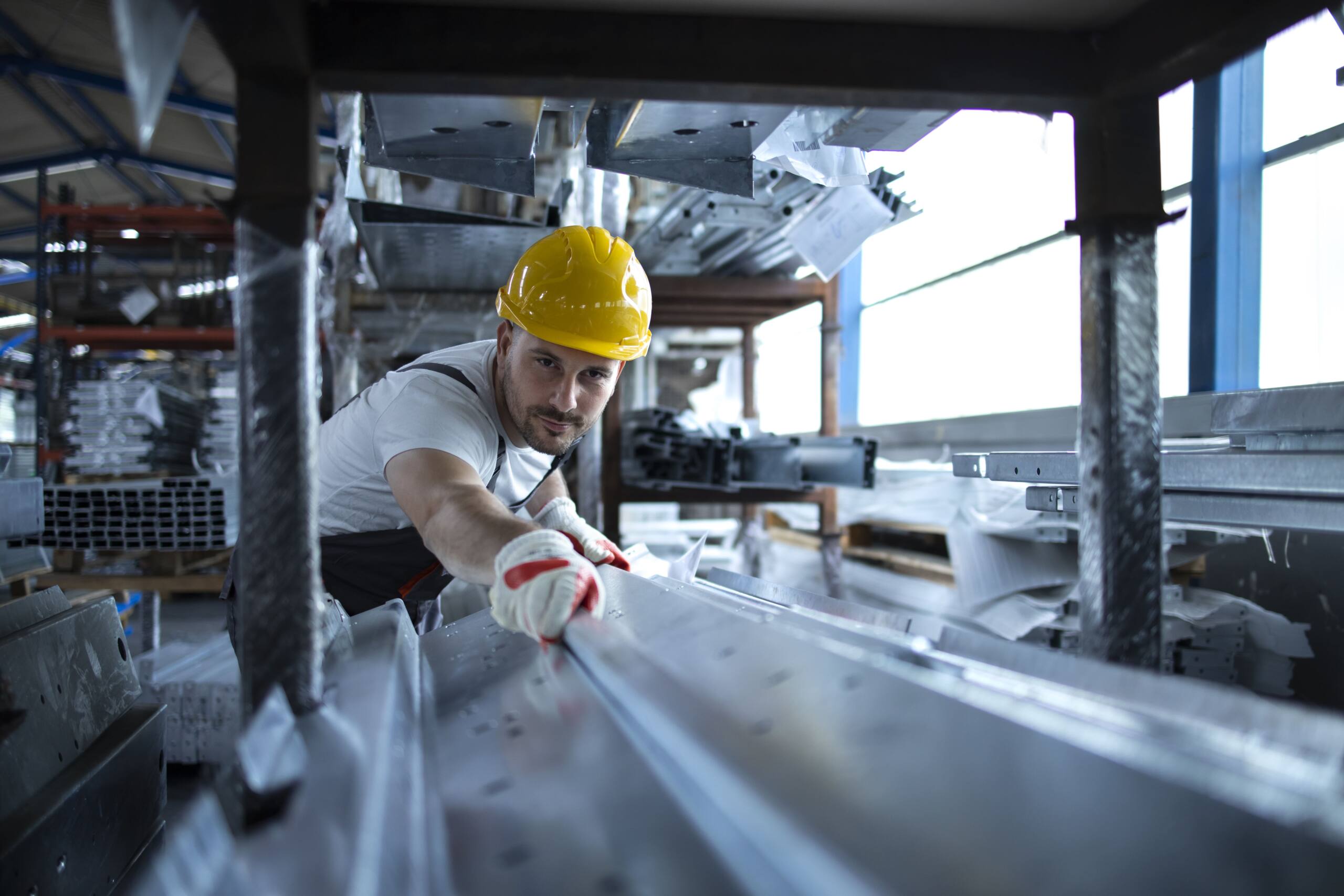
Steel remains one of the key materials used in the manufacture of port structures, mainly due to its high mechanical strength, stiffness and ability to withstand significant loads.
These properties are particularly valuable in elements such as access gangways, which are subject to frequent traffic by people, equipment or loads and where structural robustness is a priority requirement.
However, its use in marine environments requires particular attention to corrosion protection. Different treatments can be used depending on the characteristics of the structure, its location and its exposure conditions.
One of the most common solutions is galvanising, which provides steel with suitable protection against corrosion. However, not all steel structures are galvanised. In certain cases, specific anti-corrosion coating systems for marine environments, such as C5-M category systems, are used. These are specially formulated to protect steel under conditions of high humidity and salinity.
When the aim is to combine the protection provided by galvanising with a specific surface finish or to further enhance corrosion protection, a paint system can subsequently be applied over the galvanised steel. This combination is known as a duplex system, as it integrates the protection provided by galvanising with a protective paint coating.
The Choice Depends on Each Application
The properties of both materials mean that aluminium and steel are commonly used alongside each other in port infrastructure, and may even form part of the same installation.
For certain components, reducing weight and achieving high natural corrosion resistance may be the priority, making aluminium particularly suitable. In others, structural loads, frequency of use or the need for greater robustness may favour the use of properly protected steel.
The selection should therefore take into account factors such as expected loads, the location of the infrastructure, exposure to the marine environment, intensity of use, maintenance requirements, expected durability and the overall cost of the solution.
Materials Adapted to the Requirements of Each Infrastructure
The design of durable port infrastructure does not depend solely on choosing a particular material, but on using each material where its properties provide the best response to actual service conditions.
Aluminium provides lightness and good corrosion resistance, while steel stands out for its strength, stiffness and robustness, provided that suitable protection systems are used when exposed to marine environments.
The correct combination of materials, protective treatments and construction solutions makes it possible to develop safe, durable and robust pontoons, gangways and port equipment tailored to the specific requirements of each installation.